
How to Train in Perimenopause: Your Body Is Changing, Your Workout Should Too!
Kata Mathe | MAY 3, 2025
perimenopause
training
pelvic floor
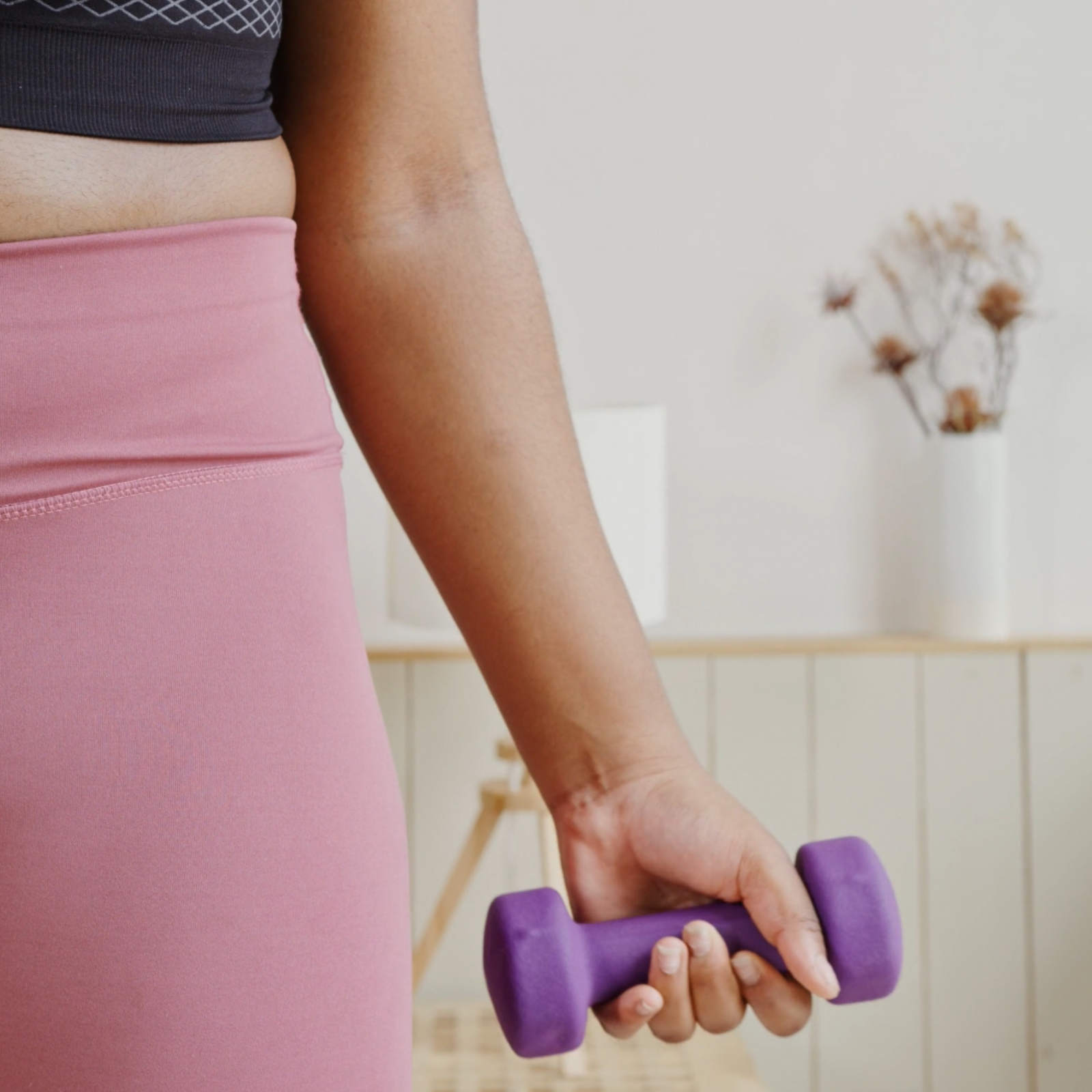
Are you in your 40s — or even late 30s — and your body suddenly feels unfamiliar?
Maybe your belly is getting softer. Your back aches more. You feel bloated, tired, there’s a new feeling of heaviness, and maybe you even leaking a little.
What used to energize you now drains you.
This is what perimenopause can look like.
And yes — it’s frustrating. But there’s definitely a way forward.
What's Happening to Your Body
Perimenopause (which can start as early as 35!) is a hormonal roller coaster:
Estrogen spikes and dips
Progesterone fades
Cortisol (your stress hormone) climbs
This shift brings real changes:
Less collagen → less elasticity, and weaker, less toned muscles and tissues.
A more sensitive nervous system: stress hits harder, cortisol spikes faster, and tension builds up.
Especially in your back and pelvic floor, which can cause stiffness, pain, heavy feeling and more pelvic floor dysfunctions.
You recover slower from workouts
Plus long years of desk work in poor posture will weaken your core and pelvic floor even more.
Your workouts need to match your new needs — not what worked in your 20s.
How to Train Better Now
1. Strength Training a Must
Because it is the new anti-agin pill!
Boosts metabolism (muscle = fat-burner)
Reduces visceral fat (linked to heart disease) & diabetes)
Supports your bones & joints, helps to prevent osteorosis
Lift weights 2-3x/week for 30-45 minutes.
Choose compound movements, exercises, that work several muscles (squats, lunges, deadlifts, rows) and weights that challenge you — without pain, without compromising the form.
2. Make Walking Your Go-To Cardio
In perimenopause, our joints and tendons don’t recover the same way as in our 20s.
HIIT and long runs now may be stressing you out more than helping.
Instead aim for 10.000+ steps daily.
Walk outdoors, walk with friends — it helps mood, metabolism, joint health, and decreases stress.
3. Rest and Recover Better
This is not the time to push through exhaustion and pain! Recovery is just as important as workouts.
Add stretching and mobility exercises to your routine.
Practice mindful breathing exercises to reduce stress.
Take proper rest days between intense workouts.
Focus on good sleep.
4. Train Your Pelvic Floor — the Smart Way
If you haven’t trained it yet — now’s the time. As collagen loss impacts your pelvic floor as well, making the muscles and tissues less firm.
But before you jump into Kegels... know this: they can work if the problem is low muscle tone.
Many women carry tension in their pelvic floor without knowing it (eg. because of daily stress). Adding Kegels on top of that can make things worse — leading to pain, tightness, or even more leaking.
What works better?
👉 Mindful breathing exercises that gently reconnect your core and pelvic floor
👉 Techniques that help you release tension before trying to strengthen
💡 You can:
Work with a pelvic floor physiotherapist, or
Try hypopressives — a gentle breathing method that lifts, tones and relaxes from within
Let’s Rewrite Your Story ✨
This phase of life isn’t the end of your fitness journey.
It’s a powerful new beginning — if you’re willing to listen to your body and train in a way that supports it.
Stop punishing yourself.
Start supporting yourself.
If you’re ready to explore a gentle yet powerful method to ease back pain, tone your core, and relax your pelvic floor…
👉 Watch my free hypopressive masterclass here
🎥 You’ll learn a 3-in-1 method that lifts, tones, and supports your changing body.
You've got this. I'm here to help. 💛
— Kata
Kata Mathe | MAY 3, 2025
Share this blog post

Shape your belly
CONTACT
© 2026 Shape your belly